Table Of Content

The process of getting a tattoo was seen as a rite of passage, a way for individuals to connect with their ancestors and embrace their cultural heritage. Polynesian tattoos have been a part of the region's culture for centuries. They were not just a form of self-expression, but also a way to convey one's identity, social status, and personal history. Each design had a specific meaning, often representing important aspects of the wearer's life, such as their family, achievements, or spiritual beliefs. The process of tattooing in Polynesia is not just about the physical act of marking the skin, but also about the spiritual connection between the tattoo artist and the person being tattooed. In Polynesian culture, the tattoo artist, known as a “tufuga ta tatau,” is highly respected and considered a master of his craft.
Polynesian tattoo designs and meanings
All these islands had different tattoo masters who passed on their knowledge of tattooing to their apprentices. Another classic symbol that is extensively used in Polynesian tattoos is the spearhead motif. Spearhead symbols are used in combination with other symbols to express different meanings. They can be seashells or turtle shells, though the latter is more famous because of their significance in Polynesian culture.
What Is Oceanic Art?
One important part of Maori culture is mana, which means power or prestige and refers to a powerful gift given to someone by a God or tribal leader. One thing to keep in mind is that Polynesian and Filipino tattoos are often quite painful, especially if they're large or cover a sensitive area of the body. However, many people find the pain to be worth it for the beautiful and meaningful tattoos that result. It's important to note that prior generations of traditional tattoo masters in the Polynesia and the Philippines did not use stencils either. Kurtis follows in this tradition by drawing each design freehand on the skin before tattooing, ensuring that each tattoo is tailored to the wearer.
Traditional Techniques and Tools Used in Polynesian Tattooing
In around 1855 a Tongan prince, Enele Ma'afu, proclaimed the Lau islands as his kingdom, and took the title Tui Lau. Polynesia is generally defined as the islands within the Polynesian Triangle, although some islands inhabited by Polynesians are situated outside the Polynesian Triangle. Geographically, the Polynesian Triangle is drawn by connecting the points of Hawaii, New Zealand, and Easter Island. The other main island groups located within the Polynesian Triangle are Samoa, Tonga, the Cook Islands, Tuvalu, Tokelau, Niue, Wallis and Futuna, and French Polynesia.
The intricate designs of the turtle shell often symbolize the journey of life and the importance of perseverance. In ancient times, Polynesian cultural practice was passed down verbally, but tattoos also played a part in the transfer of knowledge with the body as a canvas. Although drawings on the skin were prevalent in many ancient cultures, the concept and culture of tattooing came from Polynesian countries.
Empowering Indigenous Artists: Economic Opportunities and Cultural Sustainability
It is a powerful symbol of resilience and a reminder of the strength and beauty of Polynesian heritage. In addition to the efforts within Polynesian communities, there are also organizations and institutions dedicated to the preservation of Polynesian tattoo traditions. These organizations conduct research, document traditional designs, and promote awareness of the cultural significance of Polynesian tribal ink. They also organize events and exhibitions to showcase the beauty and history of these tattoos. The art of Polynesian tattooing was passed down through generations, with skilled tattoo artists using traditional tools and techniques. These artists were highly respected members of their communities, and their work was considered sacred.
Significance of Polynesian tattoos in different tribes
The Lapita were noted for employing a comb-like instrument to stamp clay repeatedly to produce anthropomorphic and geometric motifs on ceramic art. These Oceanic peoples did not consider their creations to be art but rather devoted a lot of time and attention to ritualistic and ceremonial objects. Face painting, in addition to tattooing, is quite popular, particularly among Melanesians. Scholars say that the enormous heads of Polynesian artworks suggest that they believed the head was where the personality resided.
The Samoans
Oceanians are now developing a new respect and appreciation for their region’s artistic legacy. These people’s Oceanic artwork varies considerably between the various Oceanic cultures and places. The subject matter in Oceania art is usually about the supernatural or fertility.

For those seeking a unique one on one tattoo experience at the source , French Polynesia, I will be honored to welcome you to MANA'O, my own private studio on the island. Maori tattoos are a type of Polynesian tattoo, the others being Samoan, Hawaiian, Marquesan, and Tahitian. A combination of symbols along with the Enata can be used to represent relationships, such as marriage, family, relatives, and friends. Polynesian people revere the sea as a source of food, and they also believe it to be the world beyond where they will rest after death. Since these reptiles move both on land and in water, Polynesians believed that turtles bring them closer to their final resting place.
Hawaiian Airlines unveils 787 Dreamliner cabin design - AVS - AviationSource News
Hawaiian Airlines unveils 787 Dreamliner cabin design - AVS.
Posted: Mon, 22 May 2023 07:00:00 GMT [source]
For example, both ancient Hawaiian men and women would receive tattoos; however, men tended to cover their entire bodies with ink. Another similarity among Polynesia tattoo culture is the tattooing of young people as a sign of them entering into adulthood. For example, a tattoo comb is used across Polynesian cultures and is usually made of similar organic materials such as bones, wood, and various animal parts. As for the tattoo process, Samoans use tattoo instruments made from wood, pig tusks, turtle shells, or other organic objects. This interesting style creates a Pacific islander tattoo type that’s unique to the Hawaiian Islands.
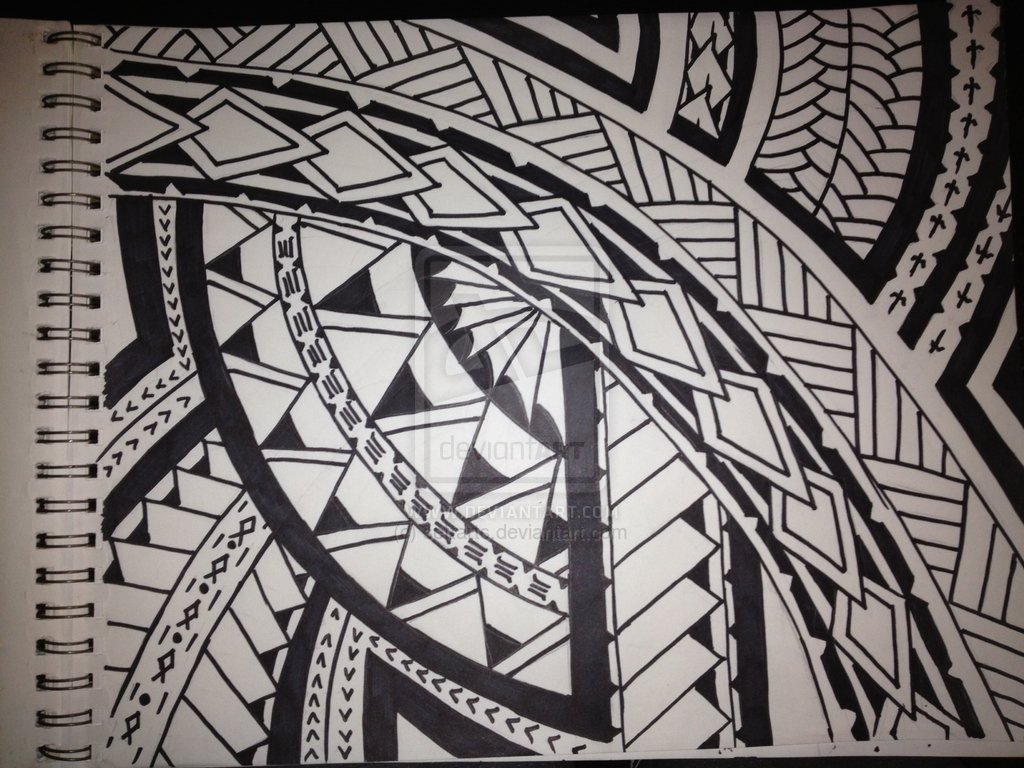
From the geometric patterns of Maori designs to the flowing motifs of Hawaiian art, we will take you on a visual journey through the diverse styles that make each island’s art form truly unique. Nature plays a significant role in Polynesian design, with the islands’ lush landscapes and diverse ecosystems providing abundant inspiration. The patterns often mimic the intricate shapes and forms found in the natural world, from the graceful curves of ocean waves to the intricate patterns of tropical flora. By incorporating elements of nature into their designs, the Polynesians celebrate and honor their deep connection to the land and sea. In the 9th century, the Tui Manu'a controlled a vast maritime empire comprising most of the settled islands of Polynesia. Traditional oral literature of Samoa and Manu'a talks of a widespread Polynesian network or confederacy (or "empire") that was prehistorically ruled by the successive Tui Manu'a dynasties.
Hawaiian Airlines Unveils 787 Dreamliner Design Details - Skift Travel News
Hawaiian Airlines Unveils 787 Dreamliner Design Details.
Posted: Tue, 16 May 2023 07:00:00 GMT [source]
They would seem to be representative of an ancestral Polynesian carving style and are the earliest sculpture from Hawaii. Monumental stone figures of gods, in a style that persisted into the 19th century, were being carved and installed on marae in the Marquesas about 1500. Maori design, hailing from Aotearoa (New Zealand), is characterized by its bold and geometric patterns. These intricate designs often feature spirals, triangles, and intricate weaving motifs. Maori artistry places great emphasis on symmetry, balance, and repetitive patterns. The use of negative space is also a defining feature, creating a visually striking contrast.
Unfortunately, with the arrival of European colonizers in the Pacific Islands, the practice of Polynesian tattooing faced a decline. The influence of Western culture and the introduction of Christianity led to a suppression of traditional practices, including tattooing. Many Polynesians abandoned their cultural traditions in favor of assimilation. Figural sculptures also express Polynesian concepts about genealogy, prestige, community, and mana. The next several objects provide the opportunity to compare and contrast the formal expression of these ideas across different island cultures.
Manuan genealogies and religious oral literature also suggest that the Tui Manu'a had long been one of the most prestigious and powerful paramount of Samoa. The symbolism behind traditional Polynesian tattoos was much more complicated than modern day art. The enchanting black patterns adorning the bodies of Polynesians were illustrative of their culture, genealogy, spiritual journey, and social status. Polynesian symbols are not only exotic but also have deep cultural and spiritual meanings attached to them. Polynesian tattoos give you that personal crest to tell your own unique story.
Oceanian societies used Neolithic technology until the 16th and 17th centuries when European cultures arrived on the scene. The territory was split among the colonial powers in the 19th century, yet the art of the region continued to flourish. The religious attributes of Polynesians were common over the whole Pacific region. People traveled thousands of miles to celebrations that they all owned communally.


No comments:
Post a Comment